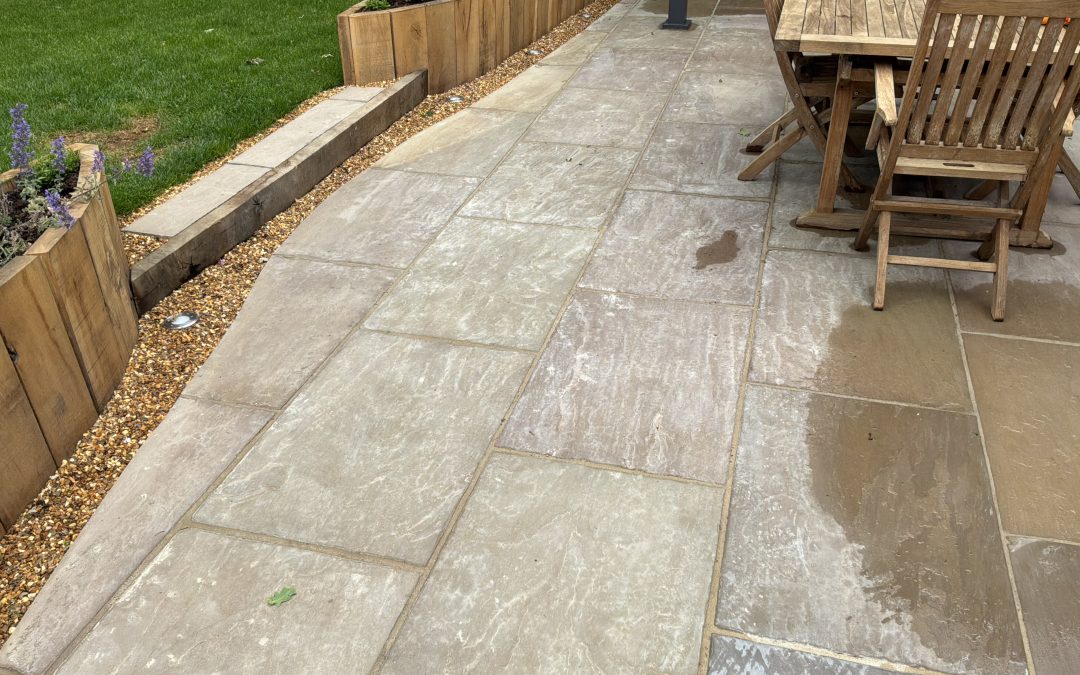
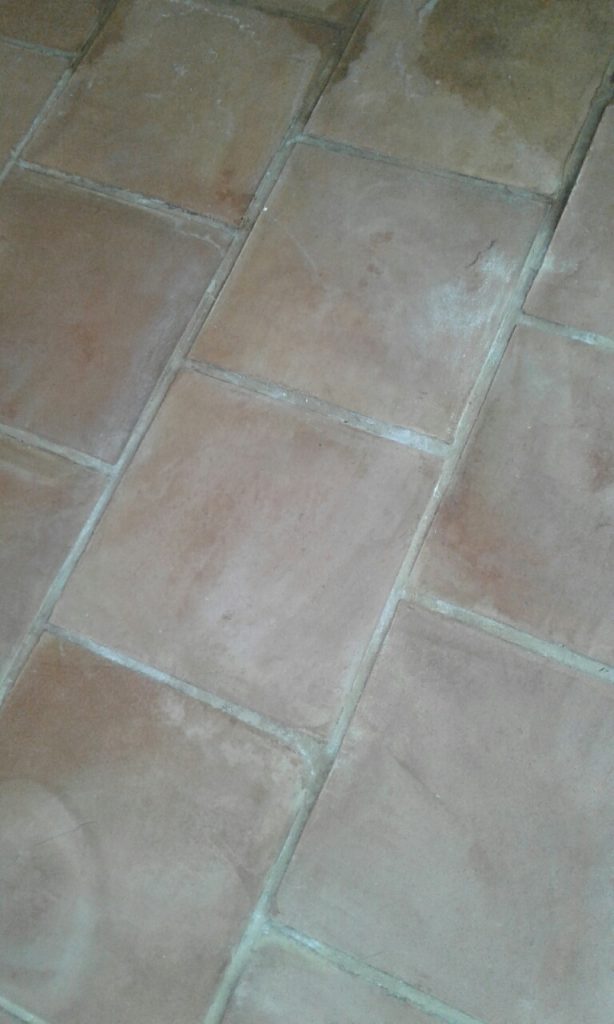
Sealing is often viewed as the final stage of a tiling project but, in many cases, it’s something that should be carried out before and after grouting. Natural porous surfaces like stone, terracotta and encaustics readily absorb moisture and pigments, so grout can permanently stain the tile face if it’s left unprotected. This is especially important with lighter-coloured or highly absorbent materials, where even a slight pigment transfer can noticeably alter the finished appearance of the installation.
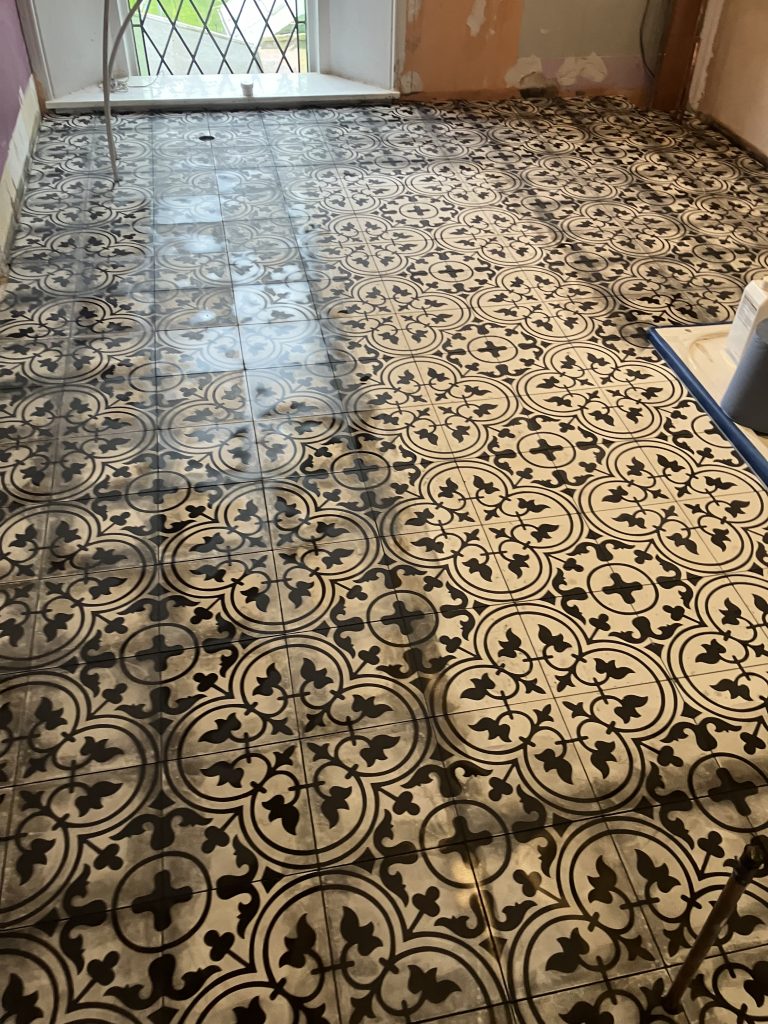
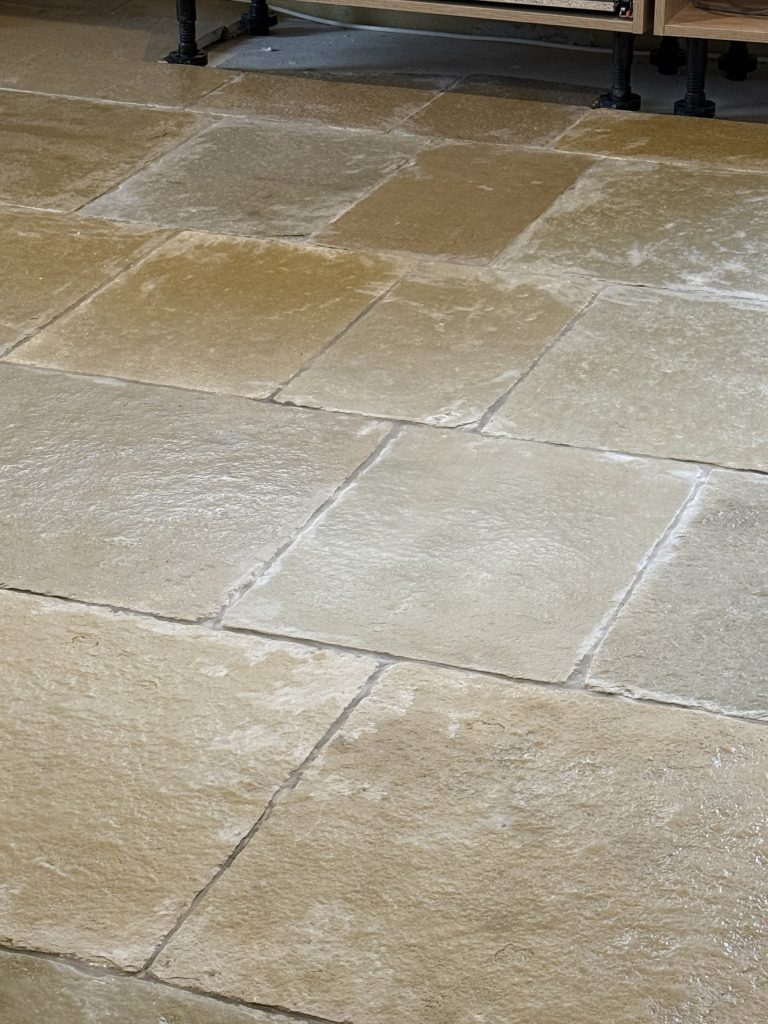
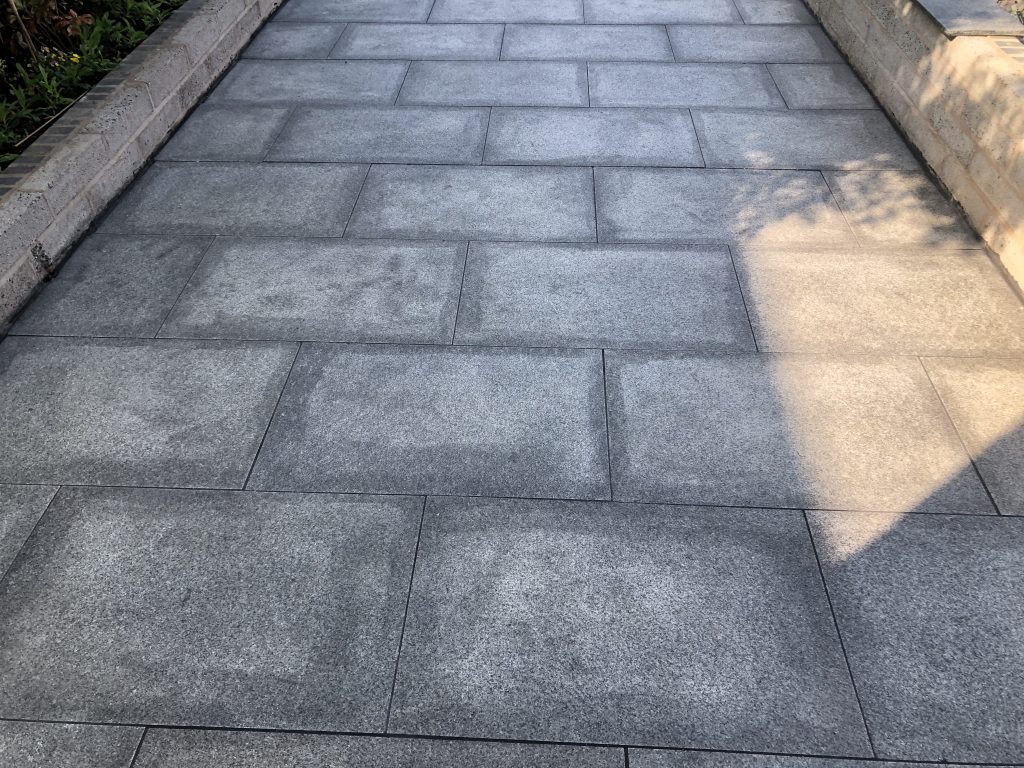
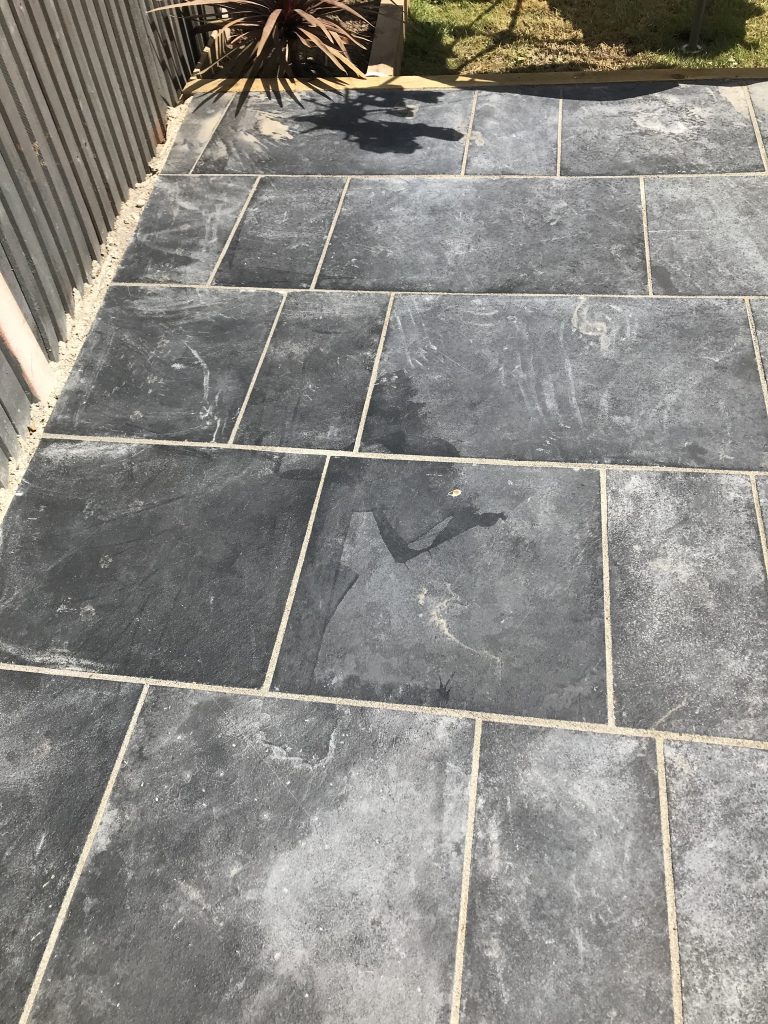
Problems can arise with both cement and epoxy grout formulations, in both interior and exterior projects. Common issues include “picture framing” where grout pigments create darkened edges around the tile. If sealer is applied over grout residue, visible swirl marks are also very common and are caused by the residual grout haze being spread around and sealed into the surface during application. The sealer effectively locks the fine grout particles into place, leaving uneven patterns that become more visible as the sealer cures.
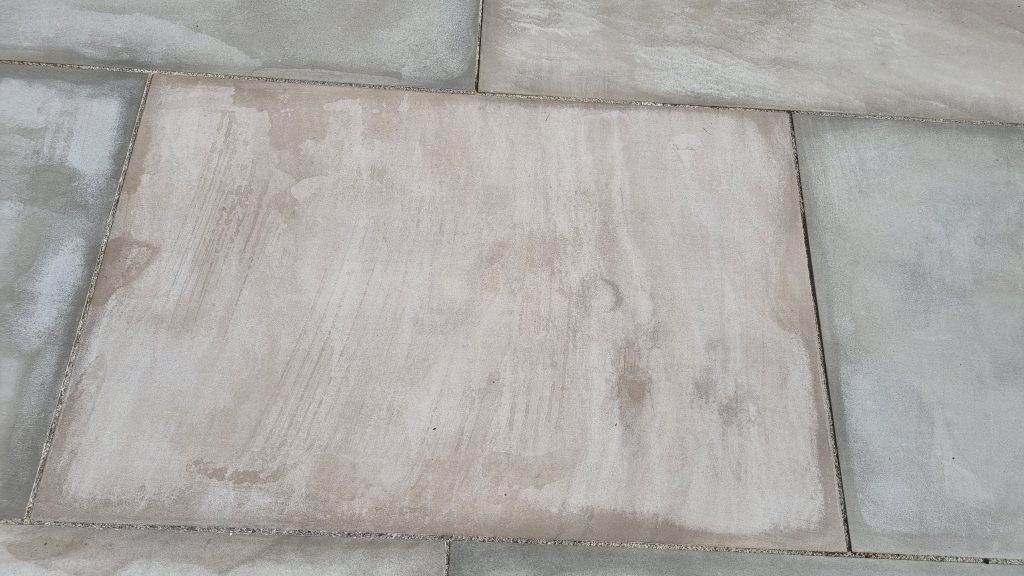
To prevent this, you need to apply a penetrating impregnating sealer before grouting. This creates a barrier that helps prevent grout pigments from being drawn into the tile surface. A good quality sealer will penetrate into the tile’s porosity, allowing the grout to be easily removed from the face of the tile.
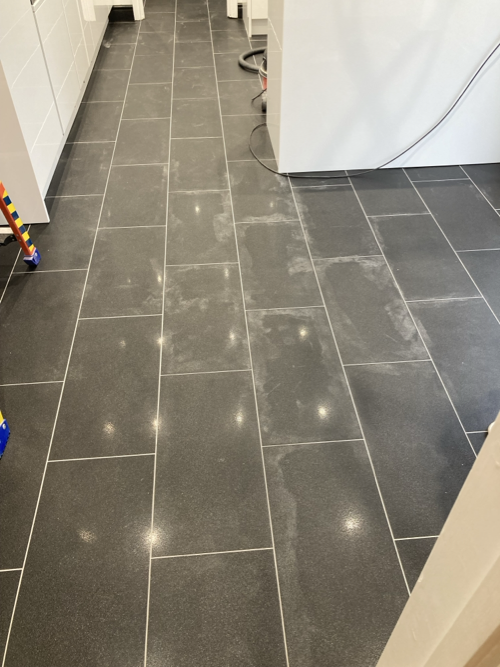
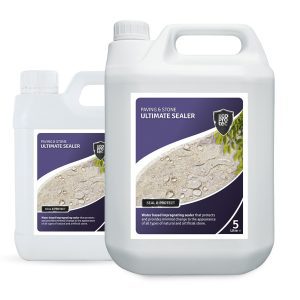
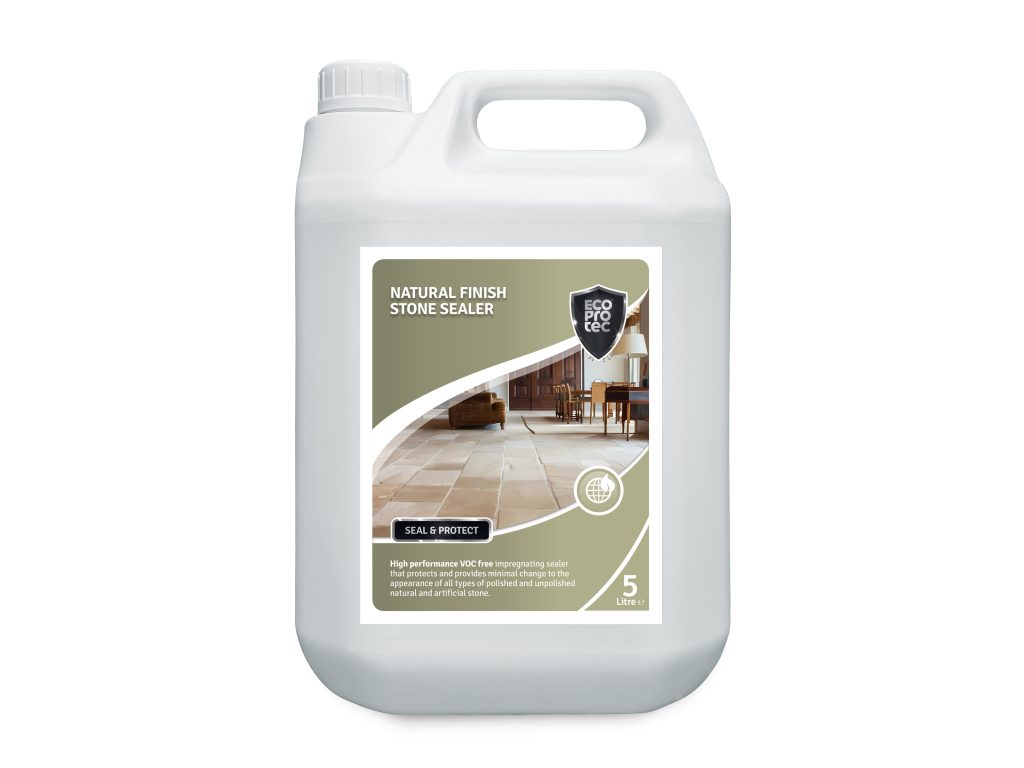
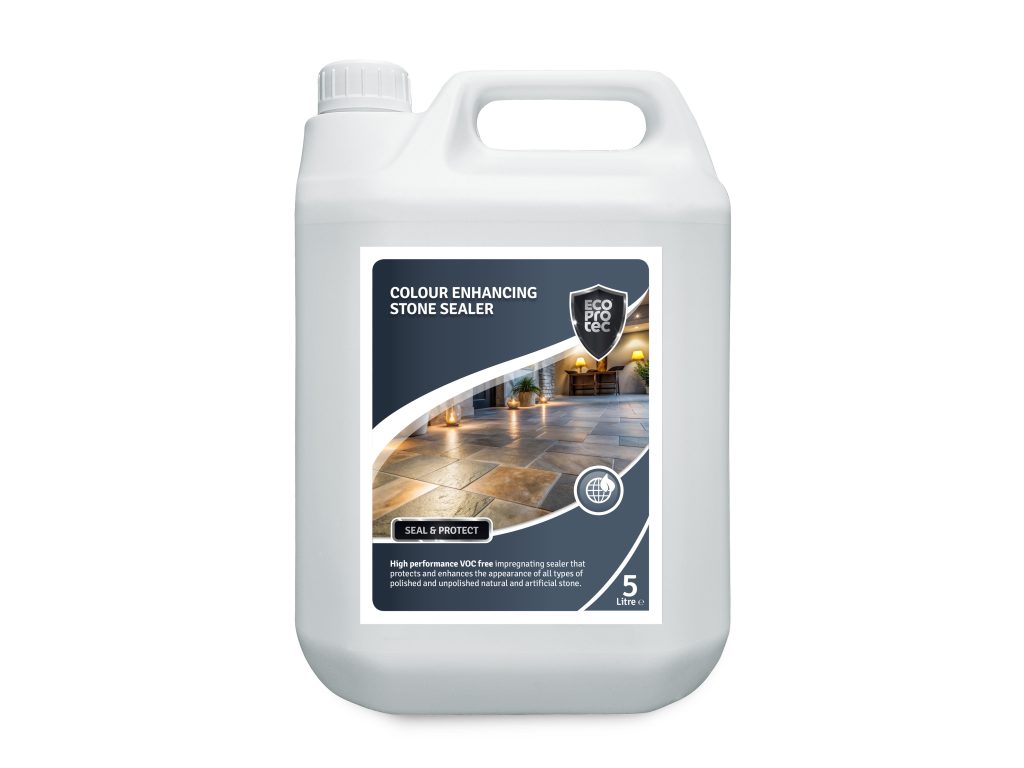
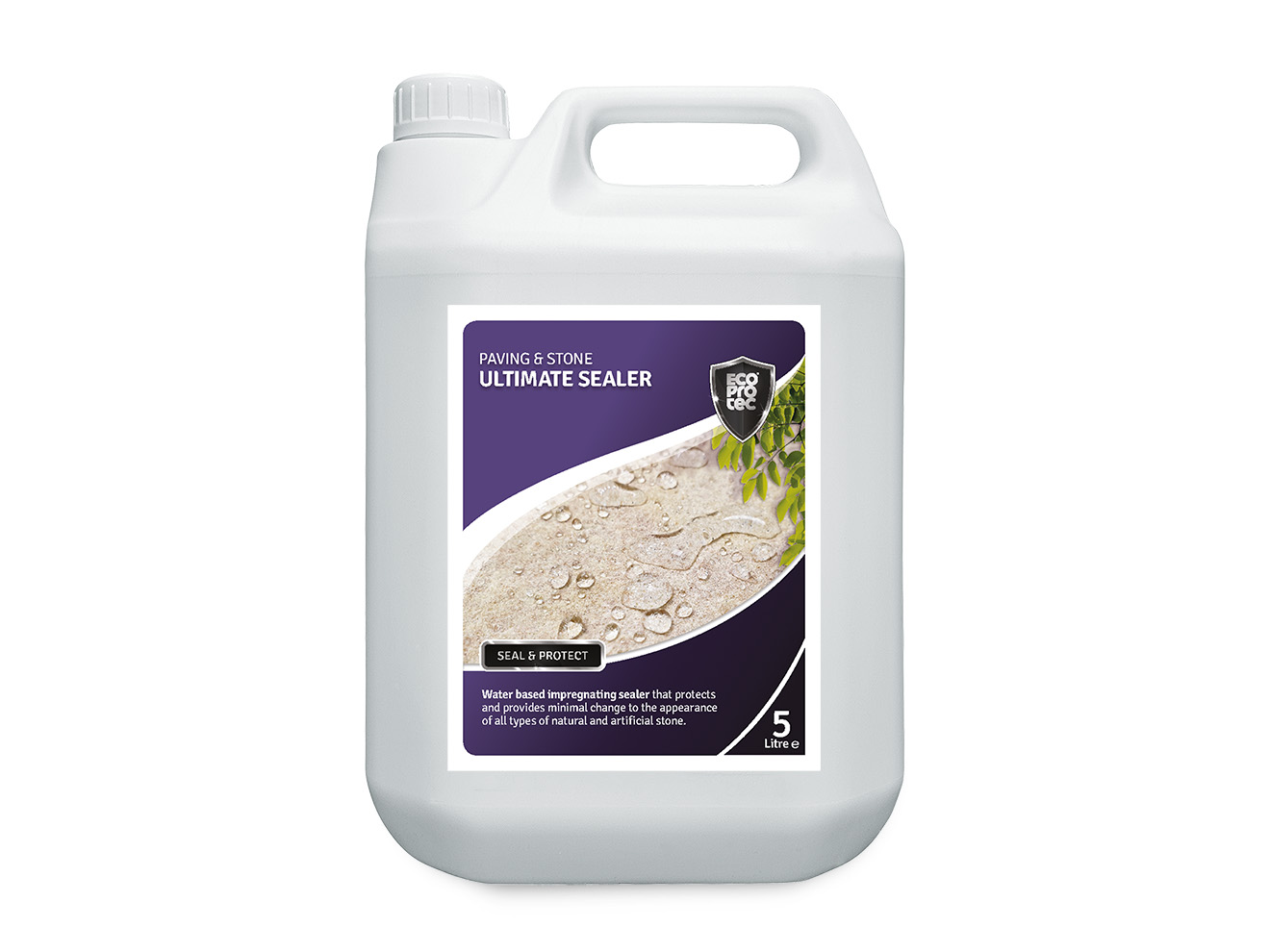
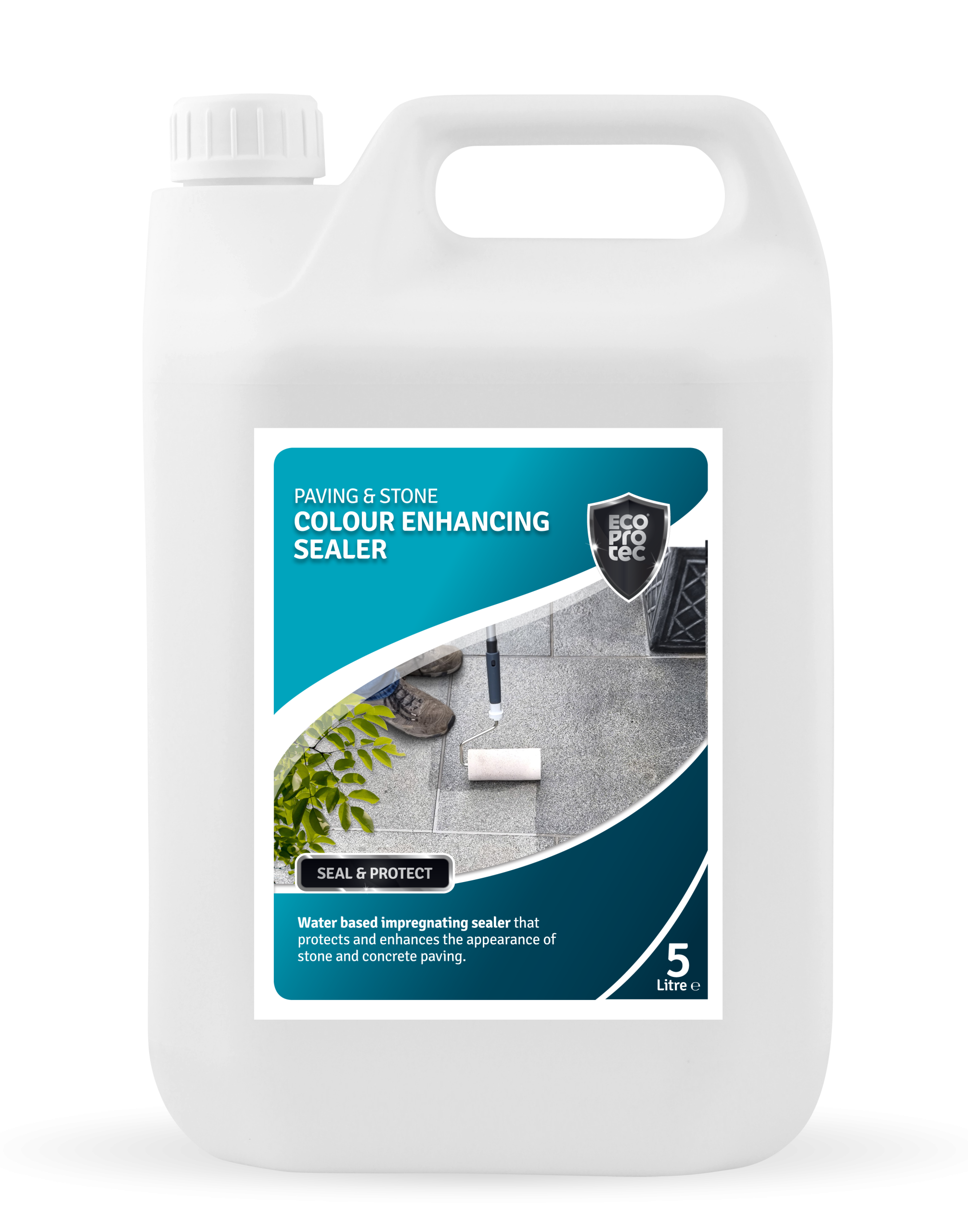
For indoor floor tiles, we recommend either ECOPROTEC Natural Finish Stone Sealer for a completely natural finish or ECOPROTEC Colour Enhancing Stone Sealer which increases natural colour vibrancy. For outdoors, we recommend ECOPROTEC Patio Sealer, Ultimate Sealer or Colour Enhancing Sealer.
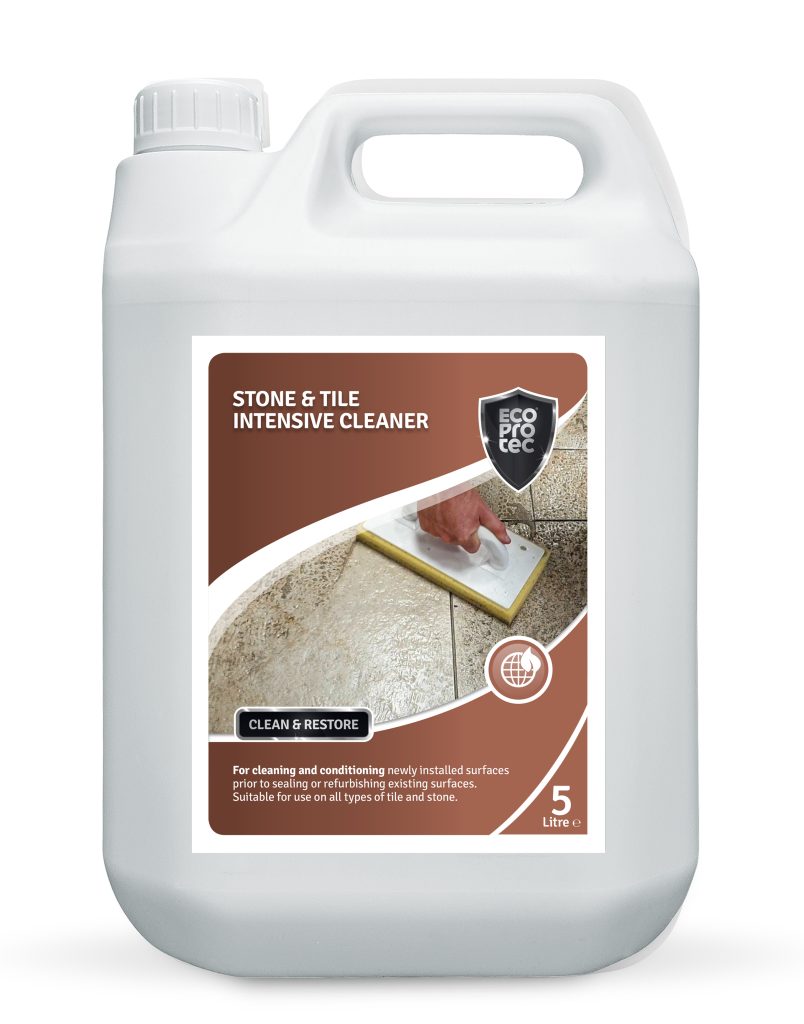
It’s essential that the tiles are clean before the application of a sealer, to avoid trapping any factory fabrication residues and dust below this first coat. Any contamination left on the surface will affect sealer absorption and may result in patchy protection after curing. ECOPROTEC Stone & Tile Intensive Cleaner is ideal for indoors and ECOPROTEC Intensive Cleaner for outdoors. Both can be used at different dilutions, depending on dirt build-up.

HOW TO APPLY THE SEALER
Before grouting:
Once tiles are clean and dry, the sealer can be applied, generally with a foam roller or paint brush for rough-cut, tumbled, textured or riven surfaces, or a sealant applicator, lint-free cloth, lamb’s wool applicator or sponge for honed, smooth and polished stone.
Application should be generous and even. On more absorbent surfaces, further coats should be applied at hourly intervals in order to fully saturate the tile. Saturation occurs when an even layer is still visible on the surface after 30 minutes. Any excess can then be removed – after one hour – with an absorbent towel, microfibre cloth or large buffing machine. Any surplus should be removed from the tile face around 20-30 minutes after application.
After grouting:
Once grouting has been completed and the joint is fully cured, the tiles should be cleaned again, to remove any remaining grout residue. Once dried, a final coat/s of impregnating sealer can be applied, making sure to cover the grout joints as well. This helps maintain a more uniform appearance, protects the porous grout joint from stains and makes routine cleaning easier.
Taking the time to apply the protection not only preserves the appearance of the installation but also reduces future maintenance. It also improves overall performance, including maintaining slip-resistant properties of textured surfaces by preventing the build-up of ingrained dirt.
To find out more, please contact the ECOPROTEC team on 01823 662722, email technical@ecoprotec.co.uk or visit www.ecoprotec.co.uk Also, for online help on-the-go, browse ECOPROTEC TV on YouTube and the ECOPROTEC Product Selector